LUODATE · ANIMAL FEED ENGINEERING
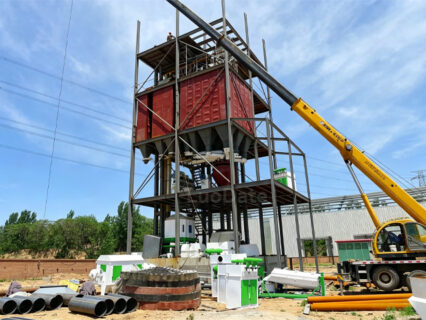
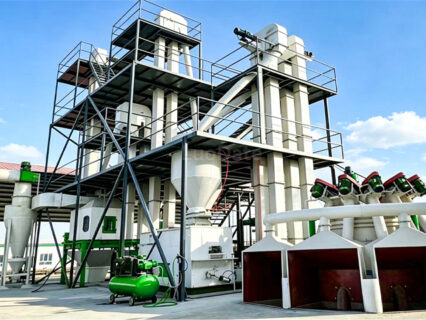
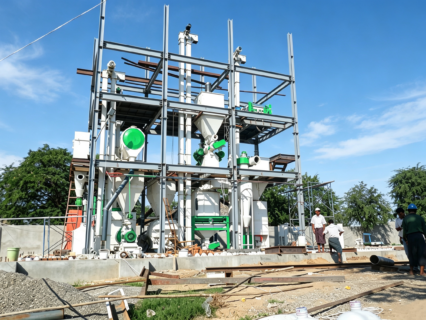
A 1–2 t/h feed pellet line is a compact setup for a commercial poultry farm or an operator starting local bagged-feed sales. It combines ingredient preparation, mixing, pelletizing and finishing in a layout that can fit an existing workshop when height and maintenance access allow.
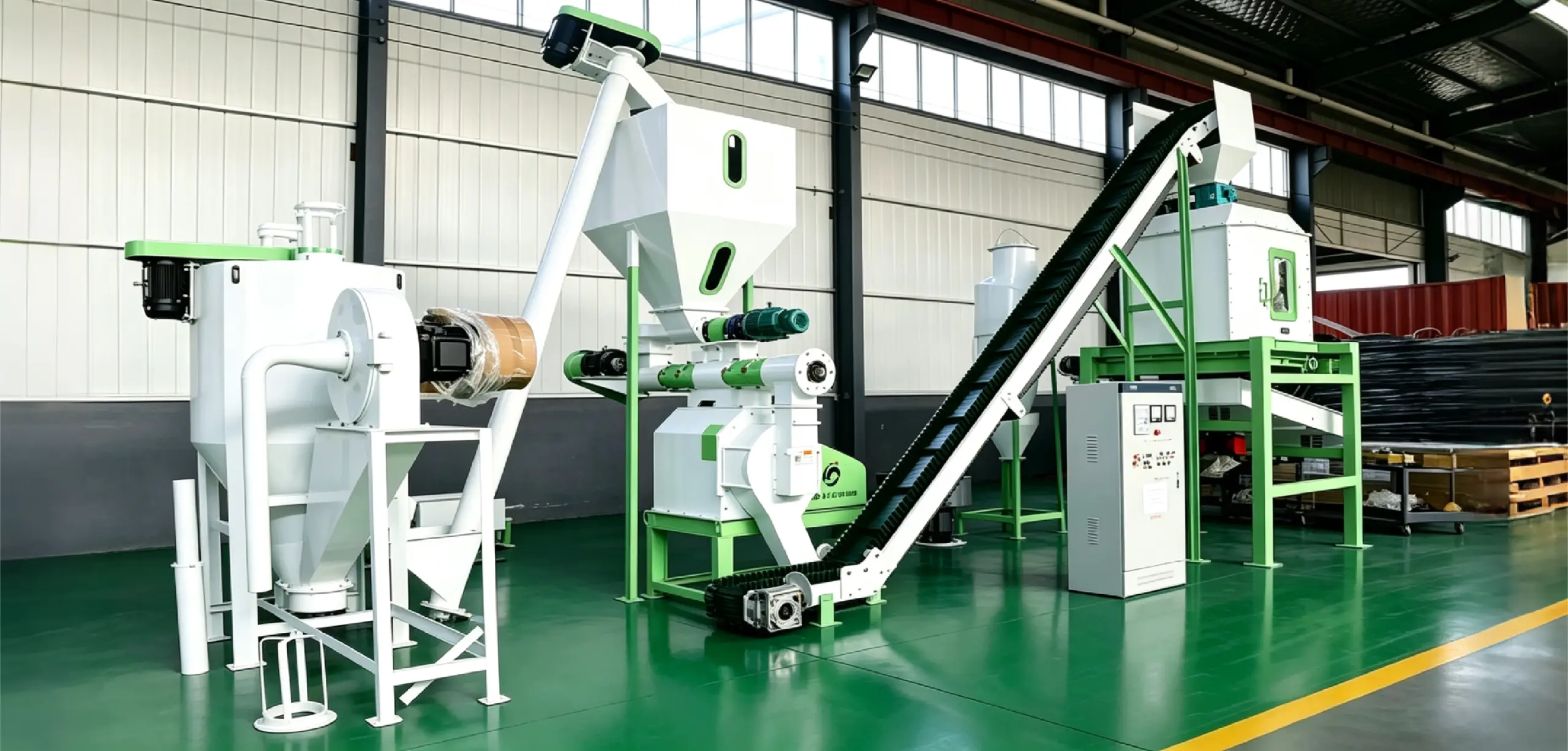
Farm supply, one or two core formulas and a modest number of packaging formats.
Capacity means metric tonnes of finished feed per operating hour. Agree the ingredient mix, pellet specification and acceptance conditions before choosing equipment.
Receiving → cleaning → grinding → batching and mixing → steam conditioning → pelletizing → cooling → screening → packing or bulk loadout
Batching and grinding order can vary by design. Specify any mash bypass, crumbling or liquid addition when planning the process.
| Section | Design considerations |
|---|---|
| Receiving and grinding | Use a bag-dump or small receiving hopper with a magnet and a grinder sized for the coarsest raw ingredient. Confirm how bags will move from storage to the hopper. |
| Batching and mixing | Manual weighing can suit fewer recipes and a predictable shift schedule. Use a separate scale for small additions and record each batch. |
| Pelleting and cooling | A conditioned ring-die line is a typical starting point. Check steam availability, pellet diameter and cooler discharge before selecting the mill. |
| Finishing | Use a screen to remove fines. Add a crumbler only for recipes that need it. Match weighing, bag closing and storage to daily output. |
In low buildings, a horizontal layout can reduce vertical requirements but may need more floor area and conveying runs. If a second shift will be added later, leave space for holding bins and easier bag handling.
The 1–2 t/h line has a planning reference of US$20,000–60,000 for equipment investment. This is a budgeting range. The final price depends on project scope, equipment selection, automation and the feed formulation.
Confirm which supplier covers freight, duties, civil works, electrical and steam utilities, installation and commissioning. See the equipment investment guide for all seven capacity bands.
At 8 scheduled hours and 75% productive time, the planning example is 6–12 tonnes per shift. Use a lower utilization assumption if the crew changes dies or recipes often.
Upgrades can include a larger mixer, dosing, extra storage or automated bagging. Greater pellet throughput also requires a check of grinding, conditioning, cooling and conveying.
Existing workshop dimensions, feeder height, power supply, ingredients, pellet or crumble size, bag size and expected hours per day.
Send LUODATE your project requirementsCompare capacities
3–4 t/h · 5–7 t/h · 8–10 t/h · 12–20 t/h · 25–40 t/h · 50 t/h · Cost guide
Thank you for your interest in LUODATE Machinery. If you want to learn more about our Feed Machine and Biomass Machine,
Contact us Now to find out what we can do for you next project !