LUODATE · ANIMAL FEED ENGINEERING
A 5–7 t/h feed line is a step up for regional producers moving from farm supply to regular commercial dispatch. At this size, planned batching, feed buffers and packing capacity matter as much as the pellet mill, especially when producing pellets and crumbles in one shift.
Regional poultry or livestock feed mills with multiple diets and recurring wholesale shipments.
Capacity means metric tonnes of finished feed per operating hour. Agree the ingredient mix, pellet specification and acceptance conditions before choosing equipment.
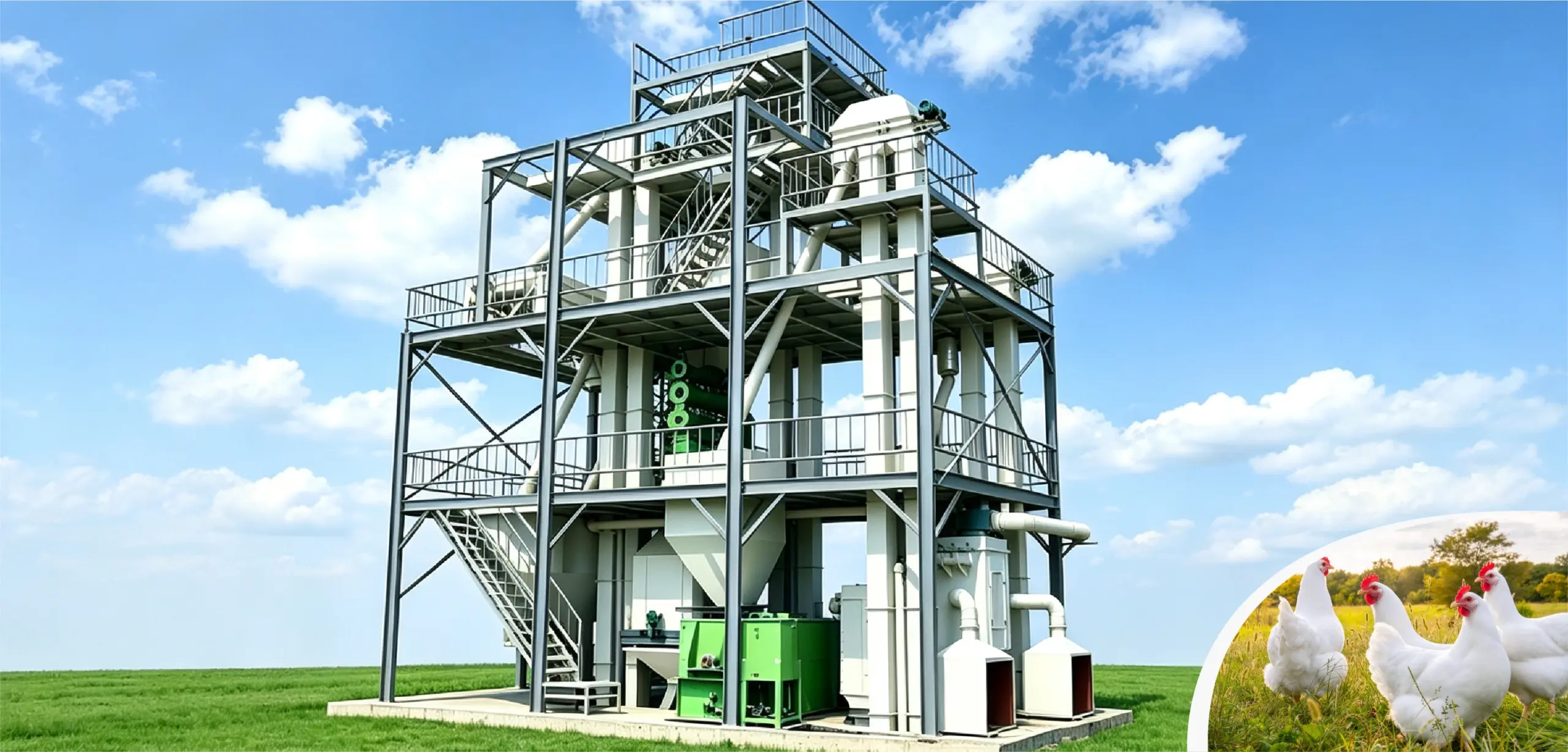
Receiving → cleaning → grinding → batching and mixing → steam conditioning → pelletizing → cooling → screening → packing or bulk loadout
Batching and grinding order can vary by design. Specify any mash bypass, crumbling or liquid addition when planning the process.
| Section | Design considerations |
|---|---|
| Cleaning and grinding | Separate bulky or fibrous ingredients early and size the grinder by the recipe that needs the finest grind. Plan dust collection and access for screen replacement. |
| Batching and buffer storage | Use a batch scale and ingredient bins where repeated formulas justify automation. Choose sufficient buffer capacity between mixing and pelleting to absorb ordinary batch gaps. |
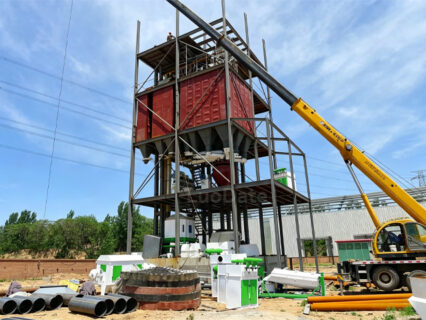
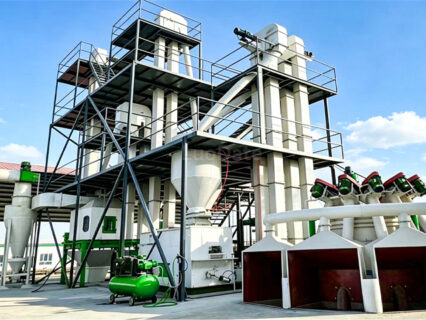
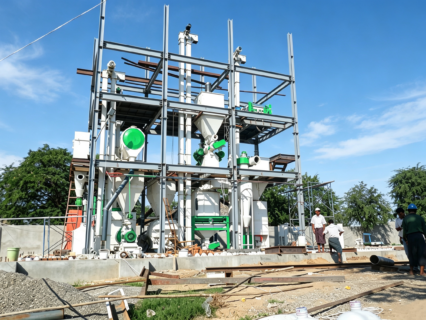
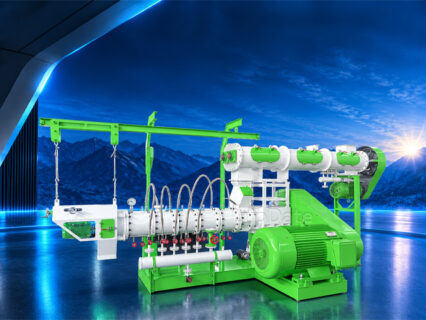
| Conditioning, pelleting and crumbling | The LUODATE 5–6 t/h poultry configuration uses an SZLH350 as one example. Confirm the full 5–7 t/h target for the proposed formula, die and steam conditions. |
| Screening and bag handling | Add separate product bins when changing between pellets, crumbles and mash. Check whether a single packing station can handle peak bag volume. |
When fines from screening return to production, the mill may process more material than the final bagged rate. Set the acceptance target on finished product and define the maximum acceptable fines before comparing quotes.
The 5–7 t/h line has a planning reference of US$80,000–250,000 for equipment investment. This is a budgeting range. The final price depends on project scope, equipment selection, automation and the feed formulation.
Confirm which supplier covers freight, duties, civil works, electrical and steam utilities, installation and commissioning. See the equipment investment guide for all seven capacity bands.
No. It illustrates one LUODATE configuration within this planning band. The 7 t/h end requires separate sizing and an agreed test using the intended formula.
A designed bypass can send mixed mash to a finished-feed bin. Crumbles use the pellet route first and then pass through the crumbler and screen.
Formulas by product, expected pellet and crumble share, maximum fines target, packaging sizes, available steam and current handling capacity.
Send LUODATE your project requirementsCompare capacities
1–2 t/h · 3–4 t/h · 8–10 t/h · 12–20 t/h · 25–40 t/h · 50 t/h · Cost guide
Thank you for your interest in LUODATE Machinery. If you want to learn more about our Feed Machine and Biomass Machine,
Contact us Now to find out what we can do for you next project !