LUODATE · ANIMAL FEED ENGINEERING
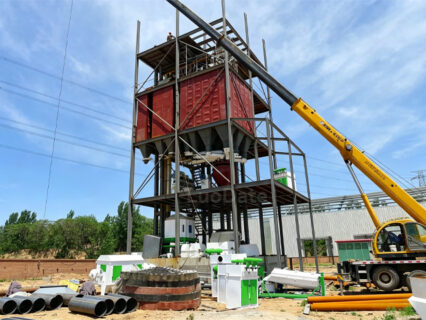
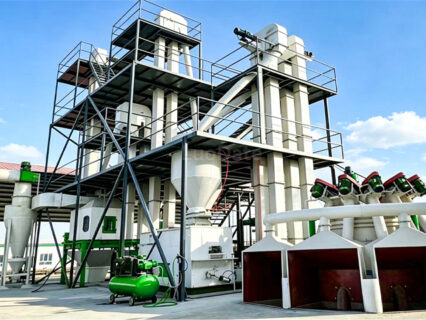
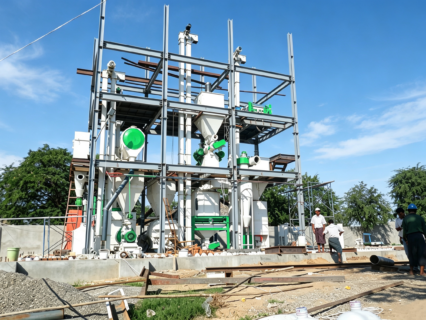
An 8–10 t/h line is suited to commercial feed production with frequent batching, bulk ingredient handling and steady cooling and packing flows. LUODATE’s documented 10 t/h Madagascar poultry pellet project used an SZLH420. Match the proposed line to the slowest planned pellet formula.
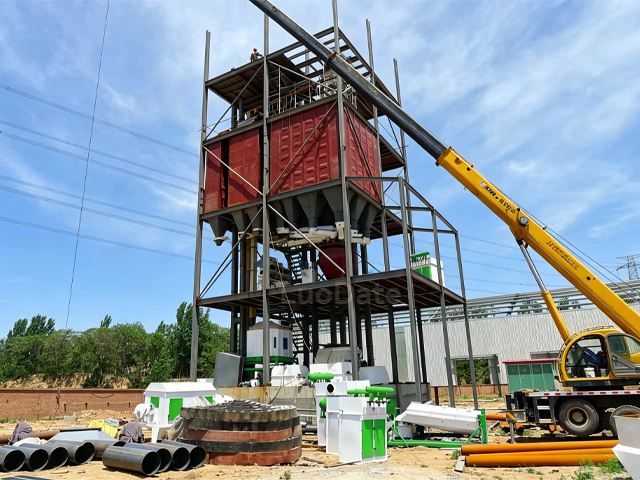
Commercial poultry and livestock feed plants with several diets, scheduled packing and regular dispatch.
Capacity means metric tonnes of finished feed per operating hour. Agree the ingredient mix, pellet specification and acceptance conditions before choosing equipment.
Receiving → cleaning → grinding → batching and mixing → steam conditioning → pelletizing → cooling → screening → packing or bulk loadout
Batching and grinding order can vary by design. Specify any mash bypass, crumbling or liquid addition when planning the process.
| Section | Design considerations |
|---|---|
| Bulk receiving and ingredient storage | Define the delivery pattern, intake rate, storage by ingredient and separation between incoming trucks and finished-feed loading. |
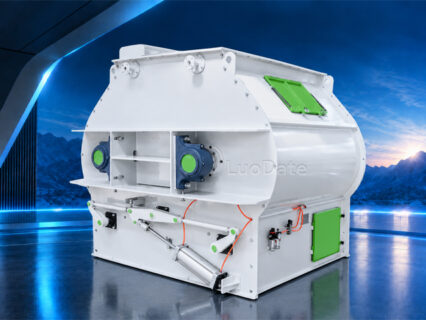
| Weighing and mixing | Use automated batching where formula repeatability and records matter. Plan a separate workflow for small additions and liquid dosing. |
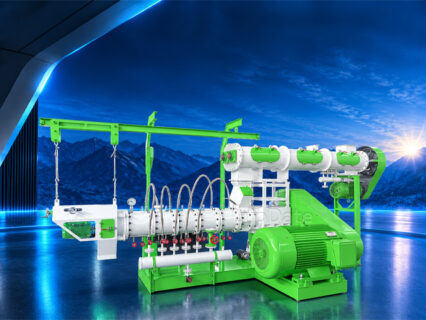
| Conditioning and pelleting | Use the Madagascar SZLH420 example as a reference. Confirm formula, die diameter, steam availability and changeover time before selecting the equipment. |
| Cooling and dispatch | Coordinate cooler dwell time, screening, bag handling and dispatch capacity. Where mash is also sold, define a distinct mixing-to-dispatch route. |
A pellet line requires conditioning, pelleting and cooling. Mash feed can use a separate route after mixing. Compare costs at the same finished-output target, feed specification, installation scope and automation level.
The 8–10 t/h line has a planning reference of US$160,000–320,000 for equipment investment. This is a budgeting range. The final price depends on project scope, equipment selection, automation and the feed formulation.
Confirm which supplier covers freight, duties, civil works, electrical and steam utilities, installation and commissioning. See the equipment investment guide for all seven capacity bands.
Only with eight fully productive hours at 10 t/h. As a planning example, 75% productive time gives 60 tonnes in an eight-hour scheduled shift.
Use it as a plant reference. Formulations, die specifications and steam conditions for other feeds can change the equipment selection and actual output.
Annual sales by feed type, formulas, bag mix, steam and water availability, voltage, intake equipment, operating hours and acceptance criteria.
Send LUODATE your project requirementsCompare capacities
1–2 t/h · 3–4 t/h · 5–7 t/h · 12–20 t/h · 25–40 t/h · 50 t/h · Cost guide
Thank you for your interest in LUODATE Machinery. If you want to learn more about our Feed Machine and Biomass Machine,
Contact us Now to find out what we can do for you next project !