LUODATE · ANIMAL FEED ENGINEERING
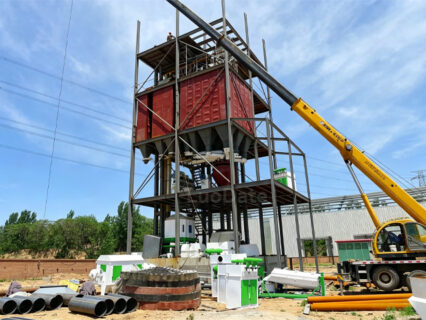
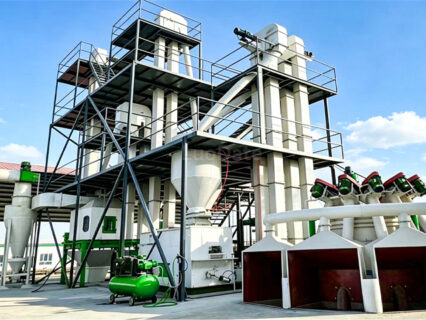
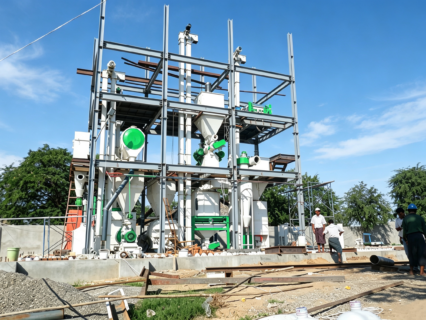
A 12–20 t/h feed pellet plant typically needs coordinated raw-material storage, automated batching and a layout that can sustain the target rate through cooling, packing and dispatch. LUODATE’s Ethiopia case documents two SZLH420 pellet mills and computer-controlled batching in one 20 t/h configuration.
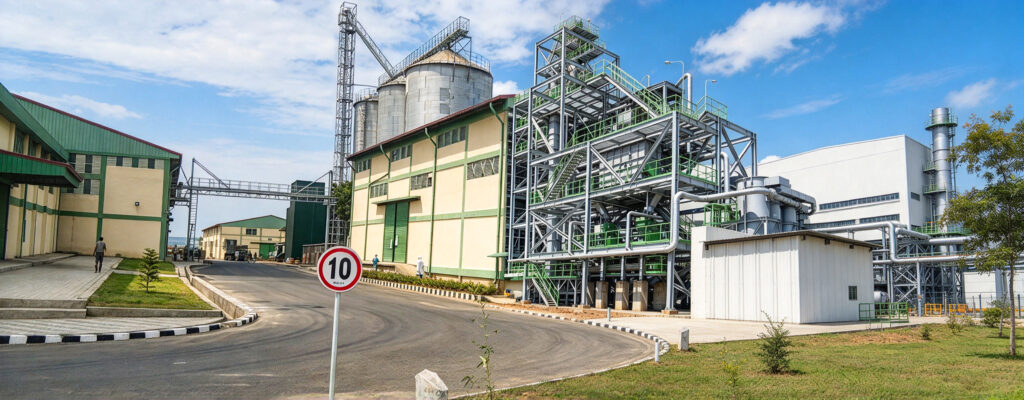
Commercial manufacturers with several formulas, automated production records and steady bag or bulk dispatch.
Capacity means metric tonnes of finished feed per operating hour. Agree the ingredient mix, pellet specification and acceptance conditions before choosing equipment.
Receiving → cleaning → grinding → batching and mixing → steam conditioning → pelletizing → cooling → screening → packing or bulk loadout
Batching and grinding order can vary by design. Specify any mash bypass, crumbling or liquid addition when planning the process.
| Section | Design considerations |
|---|---|
| Receiving and storage | Compare bulk bins and bag dispensing. Size intake, cleaners and upstream conveyors for delivery windows, and confirm working stock for each ingredient. |
| Batching and controls | Select a batching arrangement that can feed the selected pelleting stations. Define recipe permissions, batch records, alarm handling and the level of system integration. |
| Parallel pellet routes | A twin-mill arrangement can suit the upper part of the band. Confirm if each branch has its own conditioner, cooler and screen and what the plant can produce during service. |
| Packing and warehousing | Select bag scales and any bulk loadout from peak dispatch, not only average production. Leave room for spares, cleaning and shift handover. |
A parallel design only improves availability if shared equipment can keep up and can be maintained without shutting down both routes. Review the grinder, steam header, elevators, batching and finished-feed handling together.
The 12–20 t/h line has a planning reference of US$280,000–580,000 for equipment investment. This is a budgeting range. The final price depends on project scope, equipment selection, automation and the feed formulation.
Confirm which supplier covers freight, duties, civil works, electrical and steam utilities, installation and commissioning. See the equipment investment guide for all seven capacity bands.
No. It is one installed configuration. The project may favor a single or parallel pellet route depending on recipes, line availability and changeovers.
Separate the core line from silos, boiler, civil works, power distribution, installation, freight and training. Ask suppliers to identify all capacity and utility assumptions.
Raw-material schedule, formula matrix, target output by product, electricity and steam supply, building drawings, package types and planned maintenance windows.
Send LUODATE your project requirementsCompare capacities
1–2 t/h · 3–4 t/h · 5–7 t/h · 8–10 t/h · 25–40 t/h · 50 t/h · Cost guide
Thank you for your interest in LUODATE Machinery. If you want to learn more about our Feed Machine and Biomass Machine,
Contact us Now to find out what we can do for you next project !